Don't miss our holiday offer - up to 50% OFF!
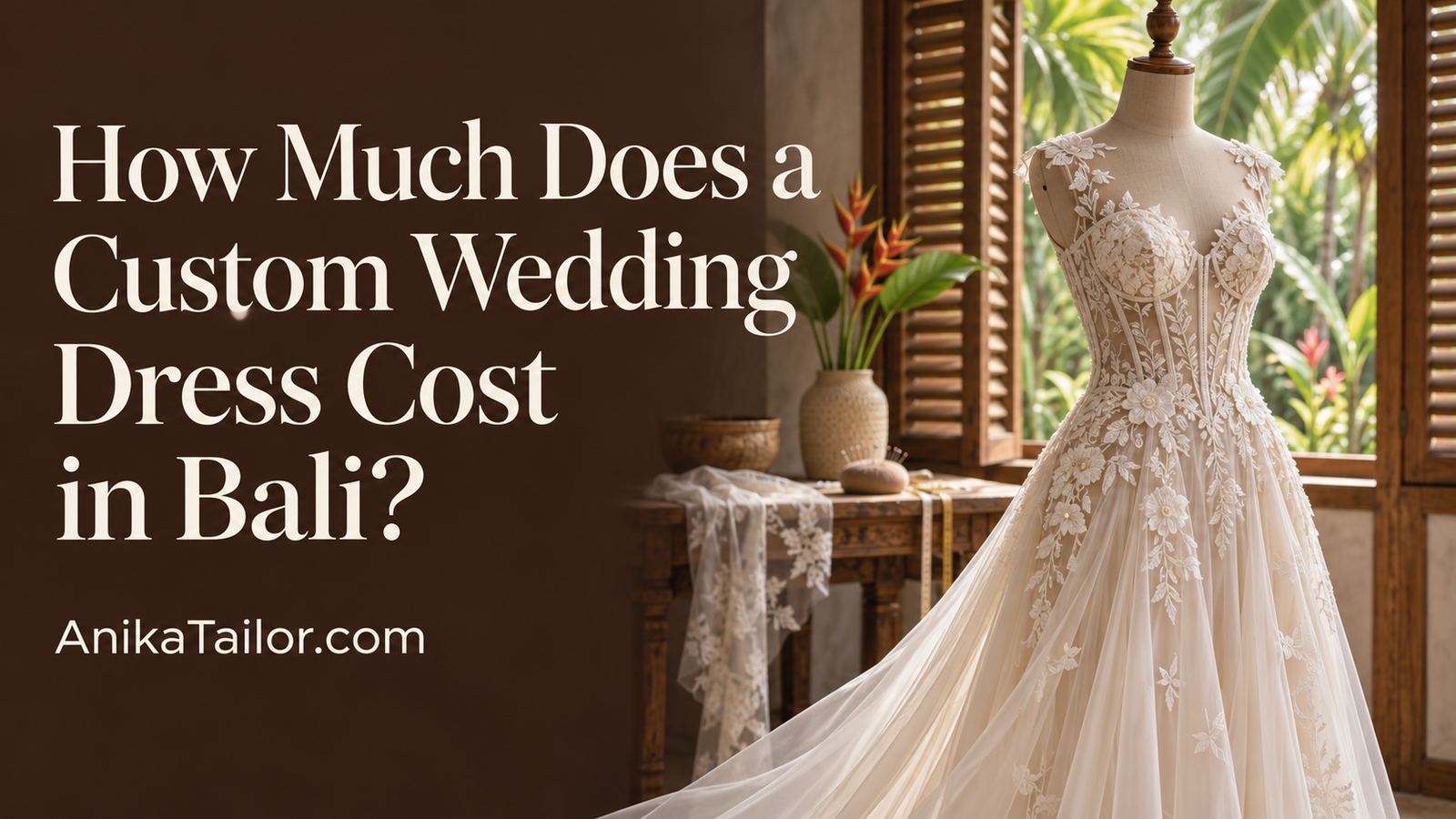
How Much Does a Custom Wedding Dress Cost in Bali?
How Much Does a Custom Wedding Dress Cost in Bali?
Every bride dreams of wearing a wedding dress that feels special, beautiful, and truly her own. From the silhouette and fabric to the smallest decorative details, the perfect wedding gown is often one of the most meaningful parts of preparing for a wedding.
For couples choosing Bali as their wedding destination, finding the right bridal dress is an important part of the experience. Whether you are planning an intimate beachfront ceremony, a romantic garden wedding, or a luxurious celebration at a private villa, your wedding dress should reflect the atmosphere of your special day.
One question many brides ask when planning their bridal look is: How much does a custom wedding dress cost in Bali?
The answer depends on several factors, including the design, fabric, craftsmanship, embellishments, and level of customisation. A simple minimalist gown will naturally have different requirements from an elaborate bridal dress featuring intricate lacework, hand-sewn beading, and multiple layers.
In this guide, we will explore the factors that influence custom wedding dress prices in Bali, the different styles available, and how to plan your bridal budget without compromising on the details that matter most.
1. How Much Does a Custom Wedding Dress Cost in Bali?
The cost of a custom wedding dress in Bali can vary significantly depending on the type of gown you want to create.
There is no single price for every custom wedding dress because each design involves different materials, construction techniques, and finishing requirements.
For a general price reference, published Indonesian bridal listings show custom and bespoke wedding gown offerings starting around IDR 15,000,000, with designer bespoke wedding dresses starting from approximately IDR 35,000,000. These are market references rather than fixed prices for every Bali tailor.
A few important considerations when comparing quotations include:
- Design complexity: A simple gown with a clean silhouette generally requires different construction work from a detailed couture design.
- Fabric quality: Premium satin, silk, lace, chiffon, and other specialised materials can influence the overall cost.
- Embellishments: Hand-sewn beads, sequins, embroidery, and decorative applications require additional time and craftsmanship.
- Construction: Corsetry, structured bodices, layered skirts, and long trains may require more detailed workmanship.
- Custom measurements: Creating a dress around your individual measurements involves personalised pattern development and fitting adjustments.
When requesting a quotation, always check whether the fabric, lining, embellishments, fittings, and alterations are included in the final price.
The best approach is to discuss your preferred design with your tailor and request a quotation based on the actual requirements of your dress.
2. What Makes a Custom Wedding Dress More Expensive?
Two wedding dresses can look relatively similar in photographs but have very different production costs.
The difference often comes down to what happens behind the design.
Here are some of the biggest factors that influence the final price.
Fabric Selection
Fabric is one of the most important elements of a wedding dress. It determines how the gown falls, moves, reflects light, and feels against your skin.
Some popular bridal fabrics include:
Silk and Satin
These fabrics are popular for elegant and minimalist wedding dresses. They create a smooth appearance and can produce beautiful draping and structured silhouettes.
Lace
Lace is a timeless bridal material that adds texture, romance, and intricate detail. Depending on the type and quality, it can be used for sleeves, bodices, overlays, or an entire gown.
Chiffon
Lightweight and flowing, chiffon is ideal for brides who prefer soft movement and a more effortless appearance.
Tulle
Tulle is commonly used for voluminous skirts, veils, and layered bridal designs. It creates a delicate, airy effect that works beautifully for romantic wedding gowns.
Organza
Organza provides a lightweight structure and slightly crisp finish, making it suitable for dresses that require volume without excessive weight.
The fabric you choose should reflect both your preferred appearance and the environment in which you will wear the dress.
Design Complexity
The more detailed the design, the more time and skill may be required to construct it.
For example, a minimalist slip dress may have a relatively straightforward construction, while a ball gown with a structured corset, multiple skirt layers, and a long train requires considerably more work.
Details such as asymmetrical necklines, illusion panels, detachable sleeves, and intricate back designs can also influence the final quotation.
Beading, Embroidery, and Handcrafted Details
Decorative elements can transform a wedding dress into a statement piece.
Hand-sewn beads, pearls, crystals, sequins, and embroidery add dimension and personality to a bridal gown.
However, these details often require additional hours of careful work, particularly when they cover large areas of the garment.
If you want a dress with intricate embellishments, discuss your expectations and budget with your tailor before production begins.
3. Custom Wedding Dress Styles and Their Price Considerations
Your preferred wedding dress style can have a significant impact on the overall production requirements.
Here are some popular bridal designs and what makes each one distinctive.
Minimalist Wedding Dresses
Minimalist bridal fashion focuses on simplicity, clean lines, and beautiful proportions.
Think elegant satin gowns, sleek silhouettes, subtle necklines, and understated details.
Although minimalist designs may appear simple, achieving a beautiful fit and clean finishing still requires careful tailoring.
This style is ideal for brides who appreciate timeless elegance rather than excessive decoration.
A-Line Wedding Dresses
A-line gowns feature a fitted bodice with a skirt that gradually widens towards the hem.
They are versatile and can be created using different fabrics, from lightweight chiffon to structured satin.
The final price depends on the fabric, skirt volume, lining, and additional design elements.
Mermaid Wedding Dresses
Mermaid gowns follow the body’s natural shape through the bodice, waist, and hips before flaring out towards the hem.
They create a distinctive silhouette and often require careful pattern development to achieve a comfortable and flattering fit.
Lace, satin, and decorative details can further influence the construction requirements.
Ball Gown Wedding Dresses
For brides dreaming of a dramatic entrance, a ball gown offers a classic and romantic appearance.
These dresses typically feature a fitted bodice and a voluminous skirt with multiple layers.
Additional fabric, internal structure, and detailed finishing can make this style more involved to produce.
Bohemian Wedding Dresses
Bohemian bridal designs are known for their relaxed silhouettes, soft textures, and romantic details.
Lace, chiffon, flowing sleeves, and delicate embroidery are common elements.
They are particularly popular for outdoor celebrations and destination weddings.
4. Does a Bali Wedding Dress Cost More for a Beach Wedding?
Not necessarily. The wedding venue itself does not determine the price of your dress, but the design requirements associated with the location can influence the final cost.
For example, a bride planning a beachfront wedding may prefer a lightweight gown that moves naturally with the ocean breeze.
A luxury indoor reception may call for a more structured design with a voluminous skirt or elaborate decorative details.
When designing a wedding dress for Bali, consider the following:
Lightweight Materials
Chiffon, soft tulle, and suitable lightweight fabrics can provide comfort during outdoor ceremonies.
Breathable Construction
Consider how the bodice, lining, and overall structure will feel in warm and humid conditions.
Practical Length
A long train may look beautiful in photographs, but consider the venue, walking surfaces, and whether you want a detachable train.
Comfortable Silhouette
You will likely spend several hours wearing your wedding dress. Make sure the design allows you to walk, sit, and enjoy your celebration comfortably.
A beautiful bridal look should work with your surroundings rather than simply look good in photographs.
5. Custom Wedding Dress vs Ready-Made: Which Is Worth It?
When shopping for a wedding dress, you generally have two options: choosing an existing design or creating something from scratch.
Both approaches have their advantages.
Ready-Made Wedding Dresses
Ready-made gowns are produced in standard sizes and are available for immediate purchase or fitting, depending on the boutique.
They are suitable for brides who have found a design they love and want a more straightforward shopping experience.
However, alterations may still be necessary to achieve the desired fit.
Custom Wedding Dresses
A custom wedding dress is created around your measurements and design preferences.
You have greater freedom to select the fabric, silhouette, neckline, sleeves, back details, and embellishments.
It is particularly appealing if you have a specific vision that is difficult to find in an existing collection.
So, which should you choose?
If you already love an available design and want to simplify your preparations, a ready-made gown may be the right choice.
If you want something more personal, with details that reflect your style and wedding vision, custom tailoring offers greater creative freedom.
6. How to Plan Your Wedding Dress Budget
Your wedding dress budget should consider more than the base price of the gown.
Several additional elements may affect the final amount you spend.
Before placing your order, consider these potential costs:
- Main wedding dress fabric.
- Additional lining and structural materials.
- Lace, embroidery, or decorative embellishments.
- Veil and detachable accessories.
- Custom fittings and alterations.
- Special finishing details.
- Transportation or garment preparation.
It is also worth setting aside a small contingency budget for unexpected adjustments or additional details.
One useful tip is to separate your must-have design elements from optional extras.
For example, if you love a particular silhouette and neckline, prioritise those features before adding expensive embellishments.
This allows you to maintain the overall vision while making practical decisions about your budget.
7. Questions to Ask Before Ordering a Custom Wedding Dress
Before confirming your order, make sure you understand exactly what is included in the quotation.
Here are some important questions to discuss with your tailor:
Is the Fabric Included?
Some quotations include the fabric, while others charge separately depending on your selection.
How Many Fittings Are Included?
Ask how many fitting appointments are part of the process and whether additional adjustments involve extra costs.
Can I Change the Design During Production?
Major design changes after production begins may affect both the price and completion time.
Are Embellishments Included?
Clarify whether beading, embroidery, lace applications, and other decorative elements are included in the original quotation.
When Will the Dress Be Ready?
Confirm the estimated completion date and allow enough time for final fittings before your wedding.
Can I Bring My Own Design Reference?
If you have inspiration from a designer or a particular bridal collection, ask whether the tailor can use it as a reference for your custom gown.
Having these conversations early can help prevent misunderstandings and make the entire experience more enjoyable.
8. Why Choose Anika Tailor for Custom Wedding Dresses in Bali?
Finding the right tailor is about more than comparing prices. It is about choosing a team that understands your ideas, listens to your preferences, and pays attention to the details that make your dress special.
At Anika Tailor Bali, we offer personalised tailoring services for customers who want garments created according to their individual measurements and design preferences.
Whether you envision a minimalist bridal gown, a romantic lace dress, an elegant evening outfit, or a more distinctive design, our team can help you explore different possibilities.
What you can expect from Anika Tailor:
- Personalised Designs: Choose from our pattern book, bring your favourite designer garment as a reference, or share your own sketches.
- Fabric Selection: Explore a range of imported and locally available fabrics to find materials suitable for your preferred design.
- Made-to-Measure Clothing: Create garments based on your individual measurements and preferences.
- Custom Details: Explore different silhouettes, necklines, sleeves, and finishing details.
- Additional Customisation: Beading and embroidery services are also available for customers looking for more personalised garments.
Located in Kuta, Bali, Anika Tailor welcomes both local and international customers looking for personalised tailoring services.
For brides planning a destination wedding, we recommend contacting our team early to discuss your design ideas, budget, wedding date, and fitting schedule.
Frequently Asked Questions About Custom Wedding Dress Prices in Bali
How much does a custom wedding dress cost in Bali?
The price depends on the design, fabric, construction, and level of customisation. More elaborate gowns featuring intricate lace, beading, embroidery, or structured silhouettes generally require more work than minimalist designs. Contact your tailor for a personalised quotation.
Is it cheaper to have a wedding dress made in Bali?
Bali offers different tailoring and bridal options across various price levels. However, the final cost depends on the materials, craftsmanship, and design requirements. It is best to compare the quality and services included rather than price alone.
What is the most expensive part of a custom wedding dress?
Depending on the design, premium fabrics, intricate hand-sewn embellishments, corset construction, and detailed finishing can contribute significantly to the overall cost.
Can I bring my own wedding dress design?
Yes. You can bring inspiration photographs, sketches, or examples from your favourite bridal designers. These references help communicate your preferred silhouette and details during the consultation.
How long does it take to make a custom wedding dress?
Production time varies depending on the complexity of the design, fabric availability, and fitting requirements. Starting the process around 6–12 months before your wedding is a good way to allow sufficient time for planning and adjustments.
Can I customise a wedding dress for a beach wedding in Bali?
Absolutely. You can choose lightweight fabrics, flowing silhouettes, and practical design details that complement the tropical setting. Your tailor can help you explore options based on your preferred style.
Where can I get a custom wedding dress made in Bali?
Anika Tailor offers personalised tailoring services in Kuta, Bali. You can visit the store to discuss your design ideas, explore available fabrics, and arrange your measurements.
Create a Wedding Dress That Feels Uniquely Yours with Anika Tailor Bali
The perfect wedding dress does not have to follow every bridal trend or look exactly like something from a magazine.
Sometimes, the most beautiful gown is the one that reflects your personality, makes you feel comfortable, and captures the feeling you want to remember on your wedding day.
From selecting the right fabric to deciding on the smallest finishing details, custom tailoring gives you the opportunity to create something personal.
Whether you are planning a romantic beach ceremony, an intimate garden celebration, or a luxurious wedding reception in Bali, Anika Tailor is here to help bring your ideas to life.
Your wedding dress should be as individual as your love story.
Visit Anika Tailor in Kuta, Bali, or contact our team to discuss your custom wedding dress ideas and request a personalised quotation.